
It’s the clothes, the food, it’s US.
Real Frisco Sh*t
San Francisco Fashion: The Peacoat, The Jeans, The Derby Jacket, and the Dickies
The Attire of the Working Class
San Francisco has always been a city of workers. Longshoremen on the Embarcadero, railroad laborers in Chinatown, cannery women in the Fillmore, dockworkers in Hunters Point, the people who built this city dressed for the job, and in doing so, created one of the most iconic and enduring styles in American fashion history. Long before the runways of Paris or the boutiques of Union Square, the working people of San Francisco were defining what it meant to dress with dignity, durability, and pride.
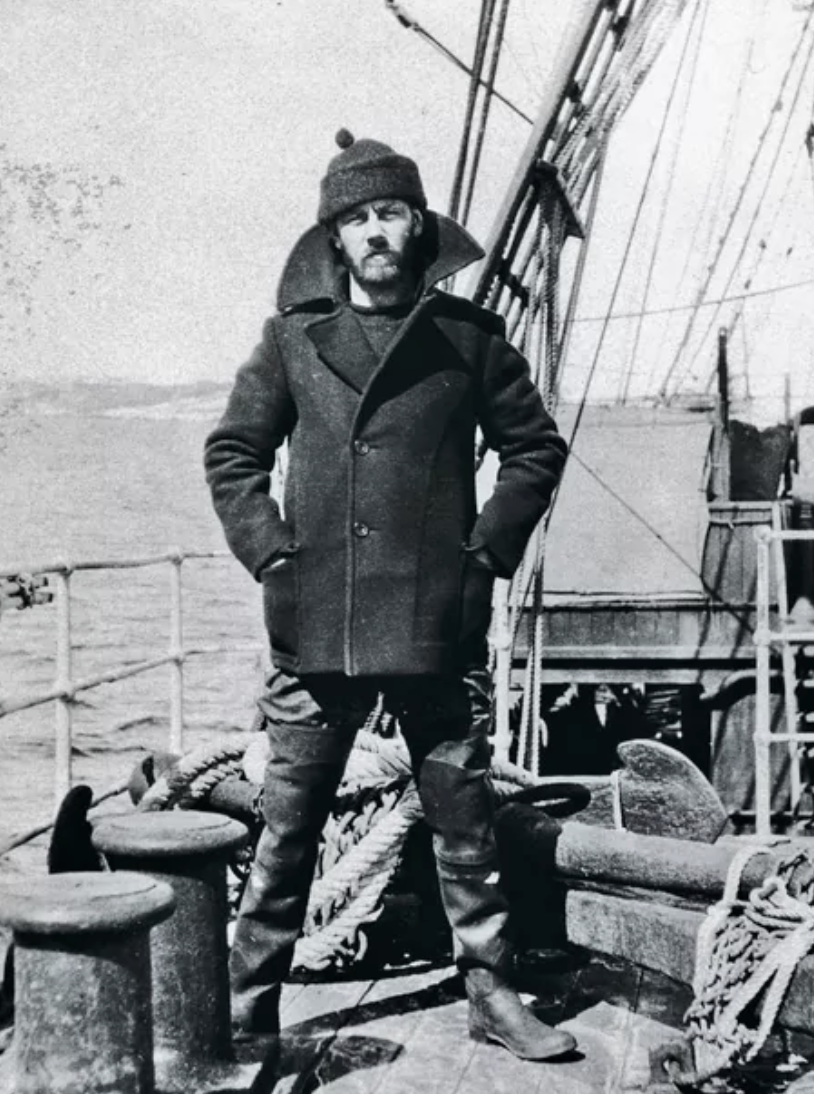
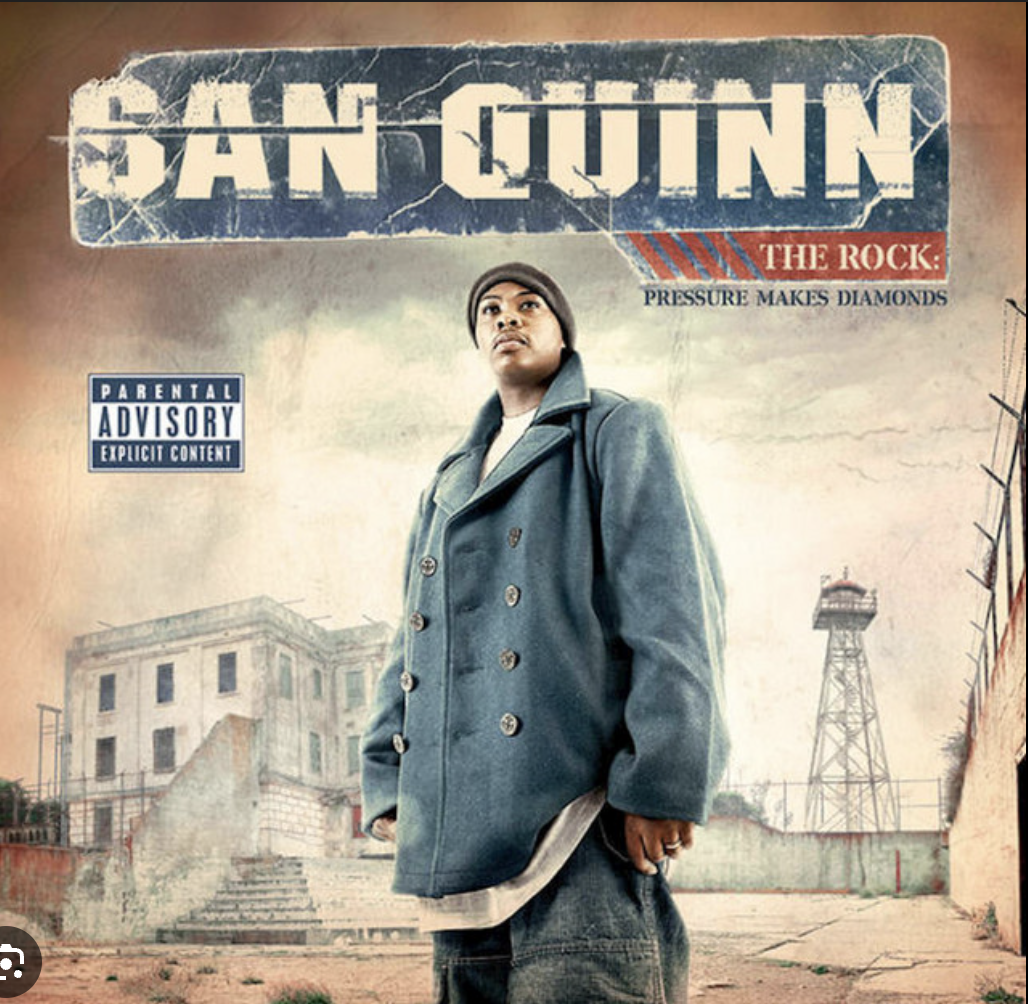
THE PEACOAT
The peacoat did not begin as a fashion statement; it was survival.
Originally worn by European naval sailors, the double-breasted wool coat made its way to San Francisco through the maritime workers who flooded the city during the Gold Rush and the whaling boom of the 1870s.
On the waterfront, where the wind off the Bay cut through a person like a blade, the peacoat was armor. Black, navy, and charcoal wool, heavy and lasting, it became the uniform of the longshoreman, the merchant sailor, and the dock worker. In San Francisco's multiracial working waterfront, where Black, Filipino, Chinese, Irish, and Italian workers labored side by side, the peacoat was the great equalizer. Everyone wore one. It asked no questions about where you came from.
The peacoat resurfaced in the early 2000s, worn by D-boys who stood on corners late into the night, its heavy wool a practical shield against the San Francisco fog and everything else the streets demanded. What began on the waterfront had found a new generation of wearers, young men from the Fillmore, the Bayview, and the Mission who understood, like the longshoremen before them, that the peacoat was built for people who had no choice but to be outside.
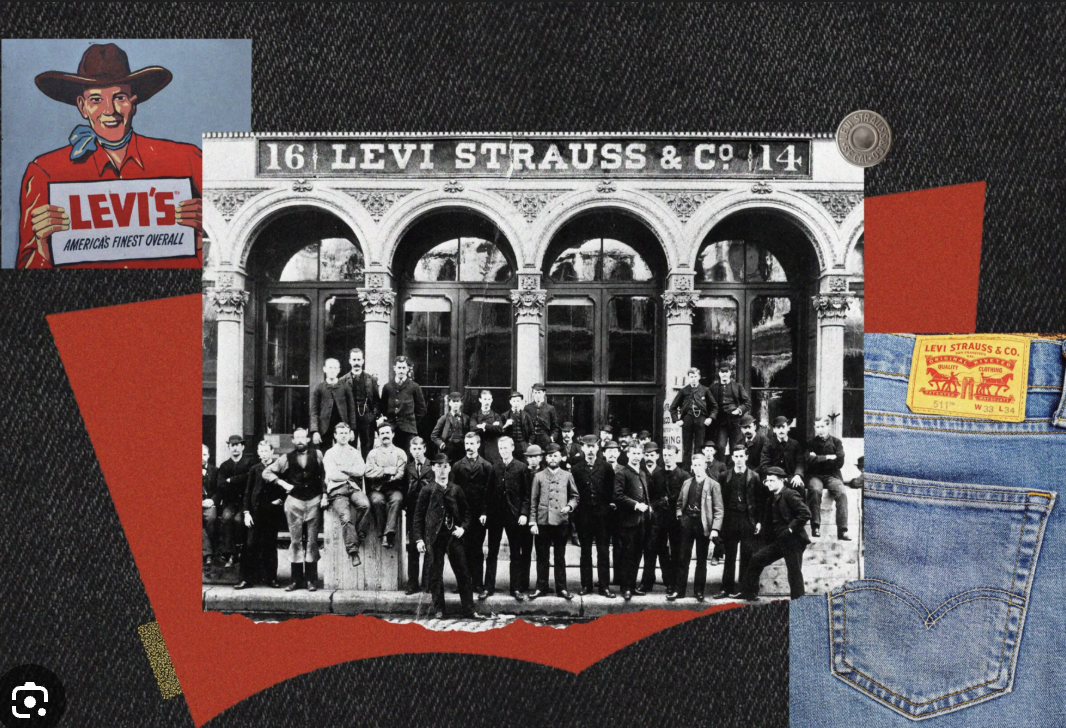
LEVI JEANS
No garment is more San Francisco than blue jeans. Levi Strauss, partnered with Reno tailor Jacob Davis in 1873 to patent the first riveted denim work pants, and the city has never been the same. Born in San Francisco and made for the labor of the Gold Rush, jeans were designed to withstand the punishment of mining, hauling, and building. They spread from the fields to the factories, becoming the universal language of the working class across the city. No other garment has done more to unite working people across race and neighborhood.
Today, the classic Levi's jean has inspired San Francisco's signature aesthetic, clean, crisp, and simple. No excess, no pretense, just a well-worn pair of Levi's that says everything without trying too hard.
THE DERBY JACKET
The Derby jacket, worn by mechanics, Muni drivers, and tradespeople who needed something tough enough for the job but sharp enough for the street, quietly became one of San Francisco's most beloved pieces.
Practical and proud, it was the jacket you wore when you had somewhere to be and work to do, a garment that understood there was no contradiction between being a working man and having style.
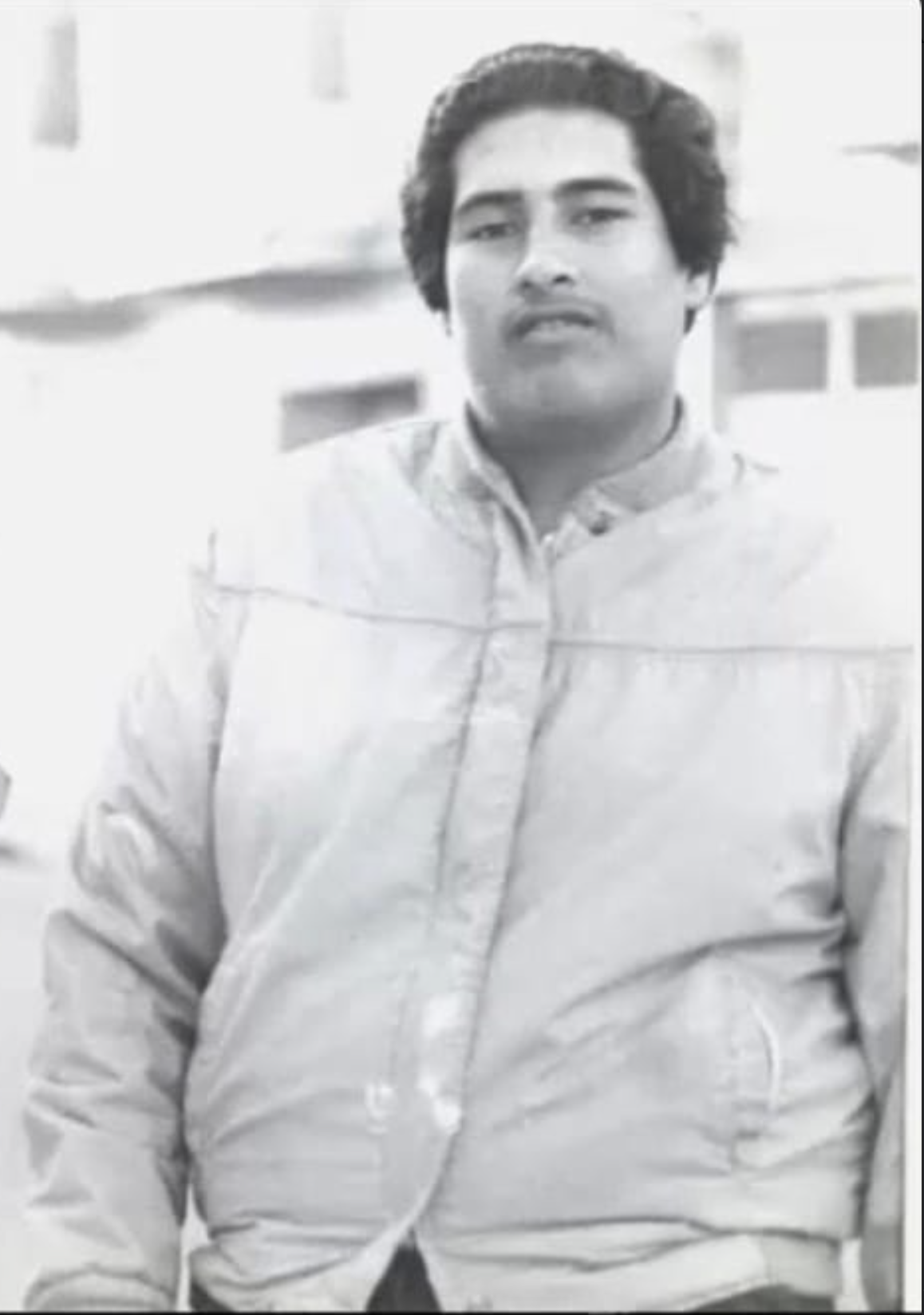
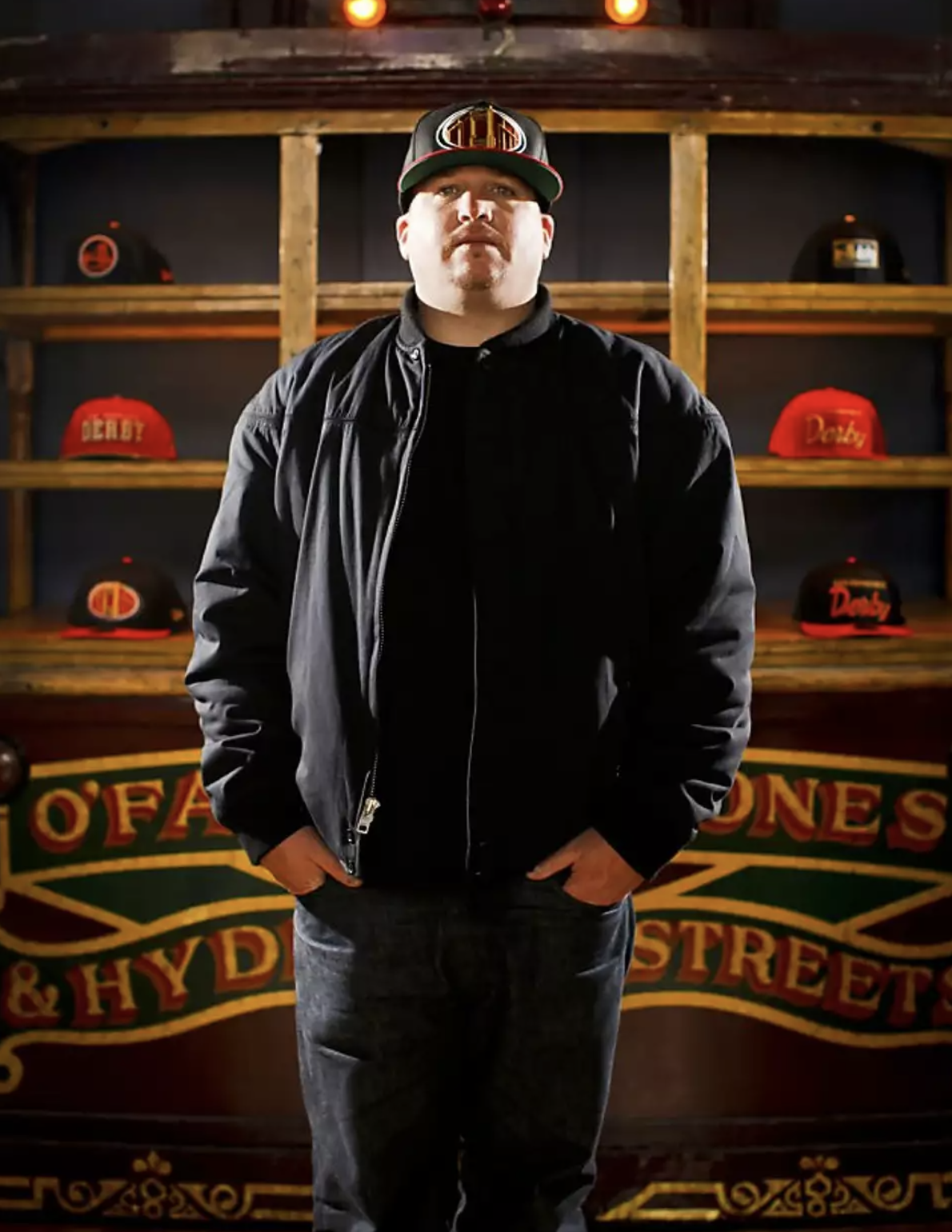
It faded from view for a time, before Victor Suarez revitalized it and returned it to its rightful place in the city's wardrobe. Today the Derby jacket is worn by Bay Area artists and creatives, and hangs in the closet of nearly every native San Franciscan as a signature piece, a wearable piece of the city's soul.
DICKIES
If Levi's built San Francisco, Dickies kept it running. The Dickies work pant and work shirt, tough, no-nonsense, and affordable, became the uniform of the second and third wave of San Francisco's working class in the 20th century. In the Bayview, in the Excelsior, in the Mission and the Western Addition, Dickies were what you wore to the garage, the shipyard, the construction site, and the kitchen. In the 1970s and 1980s, Dickies took on a second life as street wear, adopted by the city's Black and Latino youth who transformed the work pants into a cultural statement. A crisp pair of khaki Dickies, pressed with a razor crease, became as San Francisco as sourdough bread. The clothes of labor became the clothes of identity, worn not just to work, but to declare where you were from and who your people were.
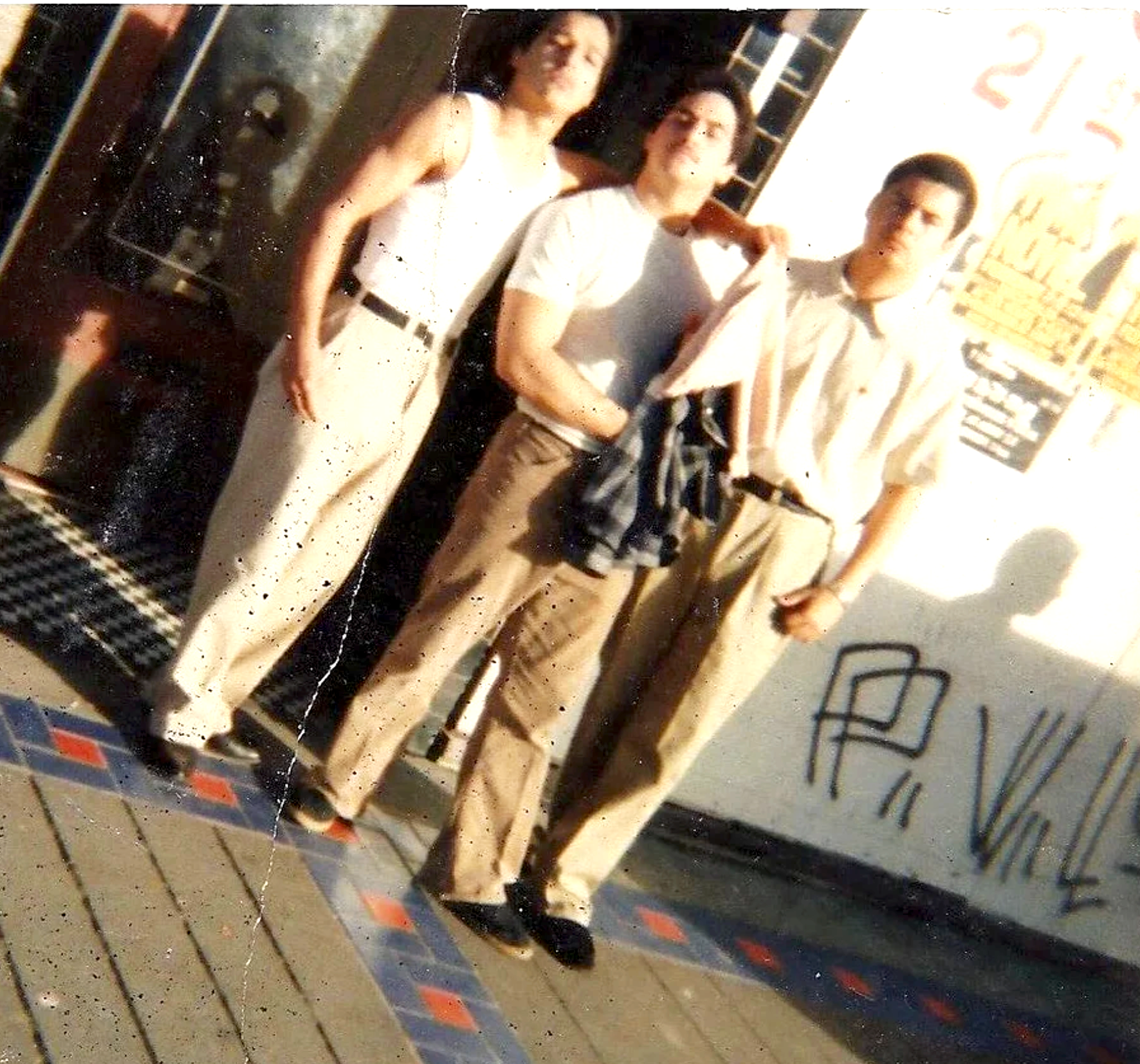
These four pieces of clothing tell the story of San Francisco better than any museum exhibit ever could. They are the fashion of the people who dug the sewers, drove the cable cars, gutted the fish, sewed the garments, poured the concrete, and raised the families that made this city what it is. Today, as native San Franciscans are pushed further and further from the city their grandparents built, the peacoat, the jeans, the Derby jacket, and the Dickies remain, quiet monuments to a working class that has never stopped fighting to stay.
The Resistance: Moments That Defined San Francisco
From the waterfront to the university steps, from the Tenderloin to Hunters Point, the working people of this city have always stood up, spoken out, and put their bodies on the line when power moved against them. These are some of those moments.
1966 Compton's Cafeteria Riot
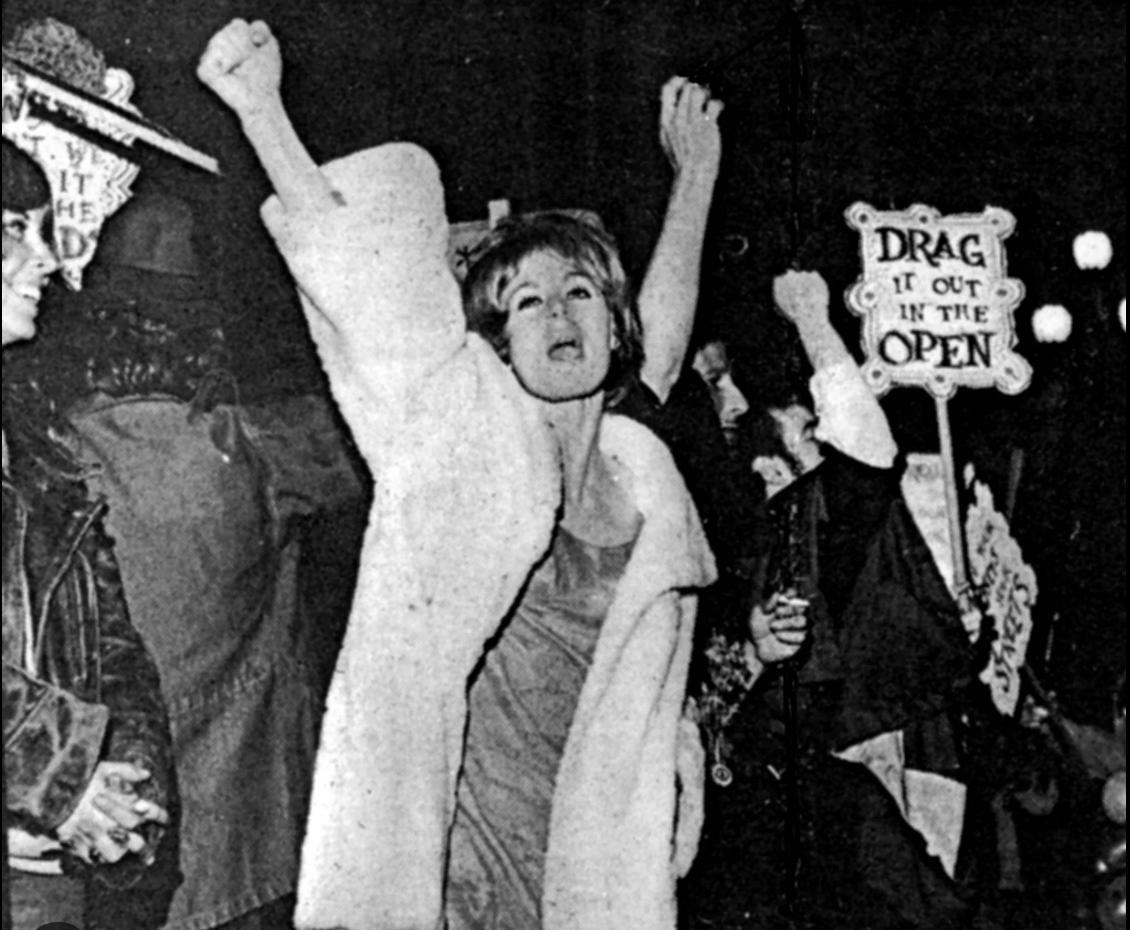
In August 1966, transgender women and gay men in the Tenderloin reached their breaking point. Tired of constant police harassment, exploitation, and the daily violence of being pushed to the margins, patrons of Compton's Cafeteria on Turk Street fought back, throwing dishes, breaking windows, and taking to the streets in one of the first known acts of organized LGBTQ+ resistance in American history. Three years before Stonewall, San Francisco's most marginalized people threw the first punch. The Compton's Cafeteria Riot remains a foundational moment in queer liberation history and a testament to the defiant spirit of the Tenderloin.
1966 Justice for Matthew "Peanut" Johnson
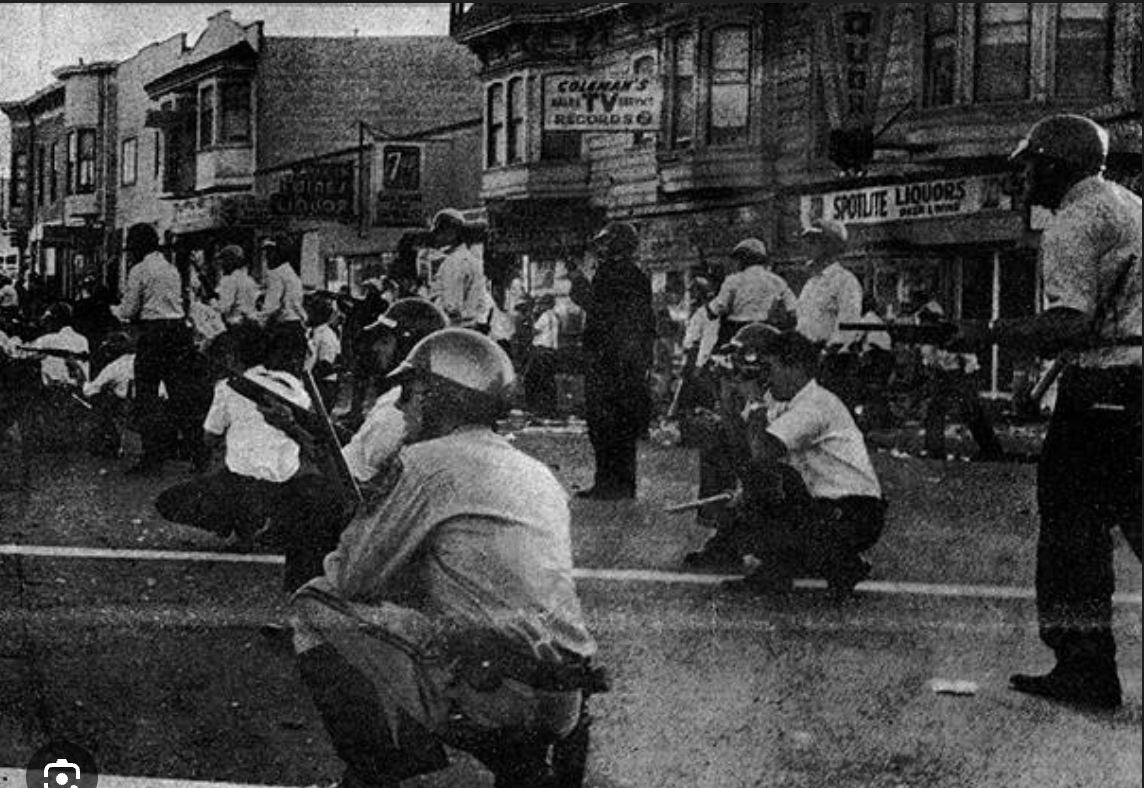
On September 27, 1966, a white San Francisco police officer shot and killed Matthew "Peanut" Johnson, a 16-year-old Black boy in the Hunters Point neighborhood. The community rose up. Four days of uprising followed, a rebellion that shook City Hall and sent a clear message that Black San Franciscans would not accept the routine killing of their children without resistance. The uprising in Hunters Point directly inspired Huey Newton and Bobby Seale, who founded the Black Panther Party in Oakland just two weeks later. Matthew Johnson was not a statistic, he was a child, and his community made sure the world knew it.
1968 SF State Fight for Ethnic Studies
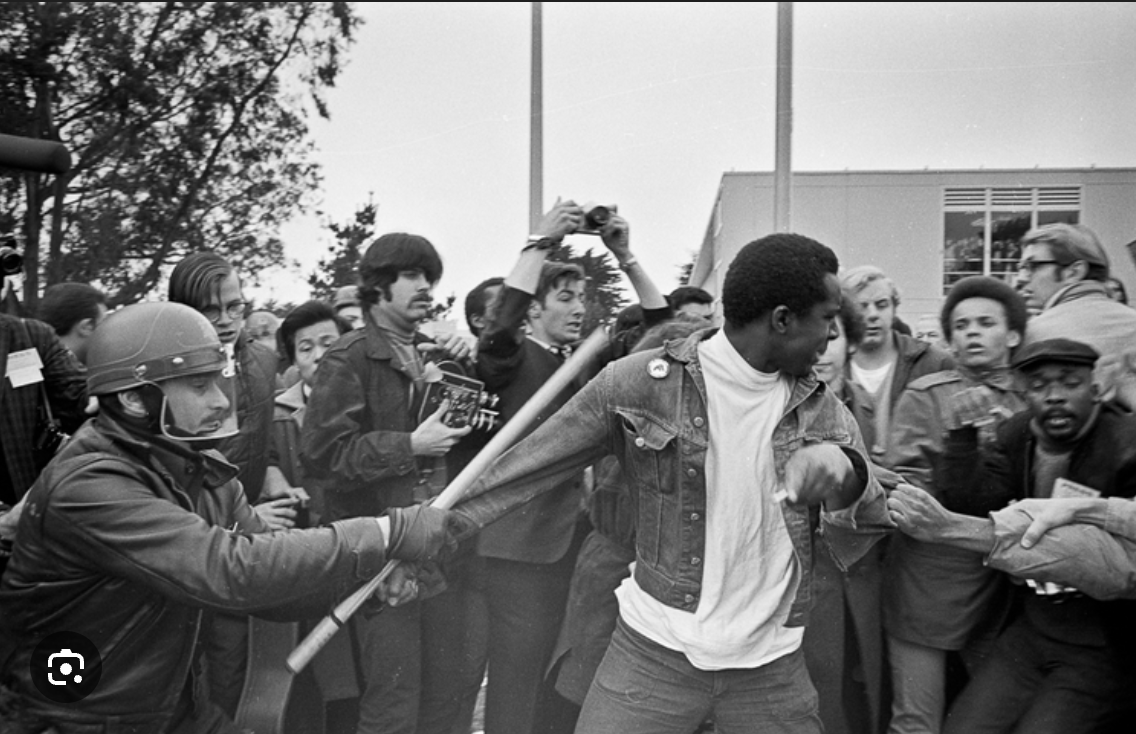
In November 1968, students at San Francisco State College launched the longest student strike in American history, demanding the creation of a College of Ethnic Studies that would teach the true history of Black, Latino, Asian, and Native American people. Led by the Third World Liberation Front and the Black Student Union, students shut down the campus for five months, facing police clubs, mass arrests, and the threats of a university administration that wanted them silent. They did not go silent. In 1969, San Francisco State became the first university in the nation to establish a School of Ethnic Studies, a victory won not in a classroom but on the picket line.
1968-1977 Fight for the International Hotel
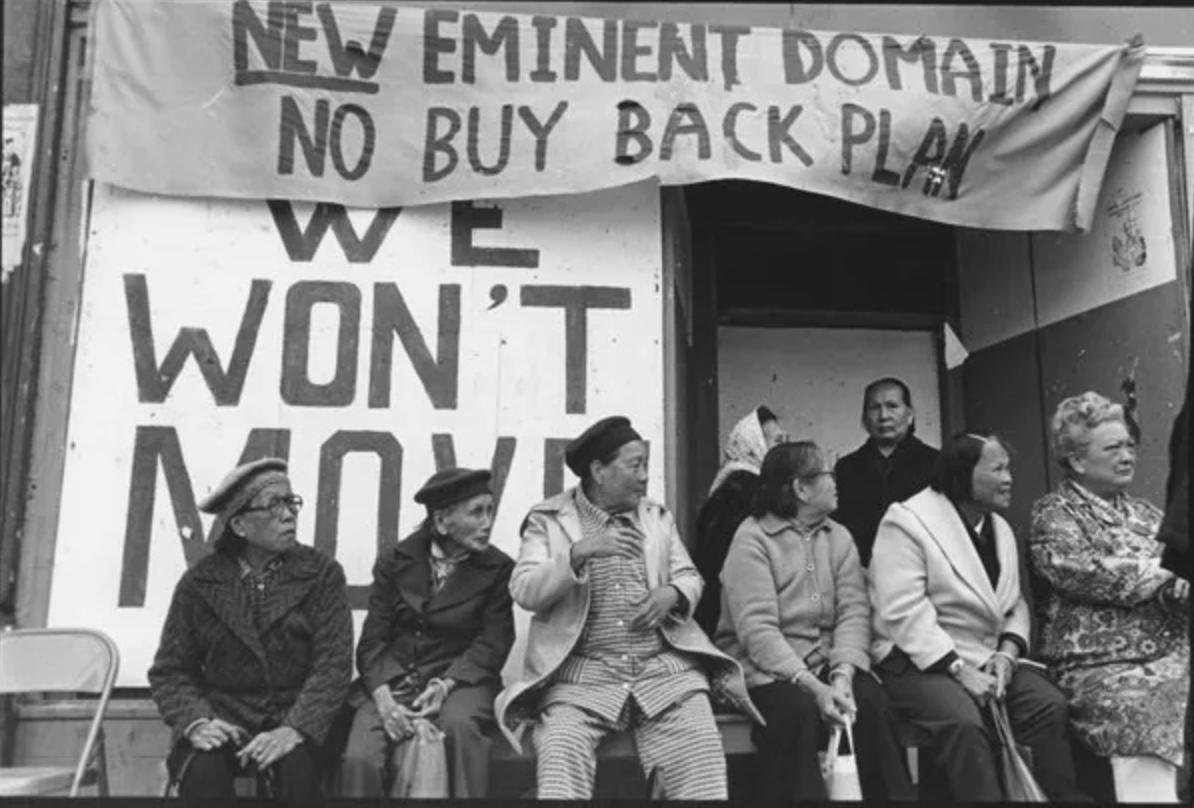
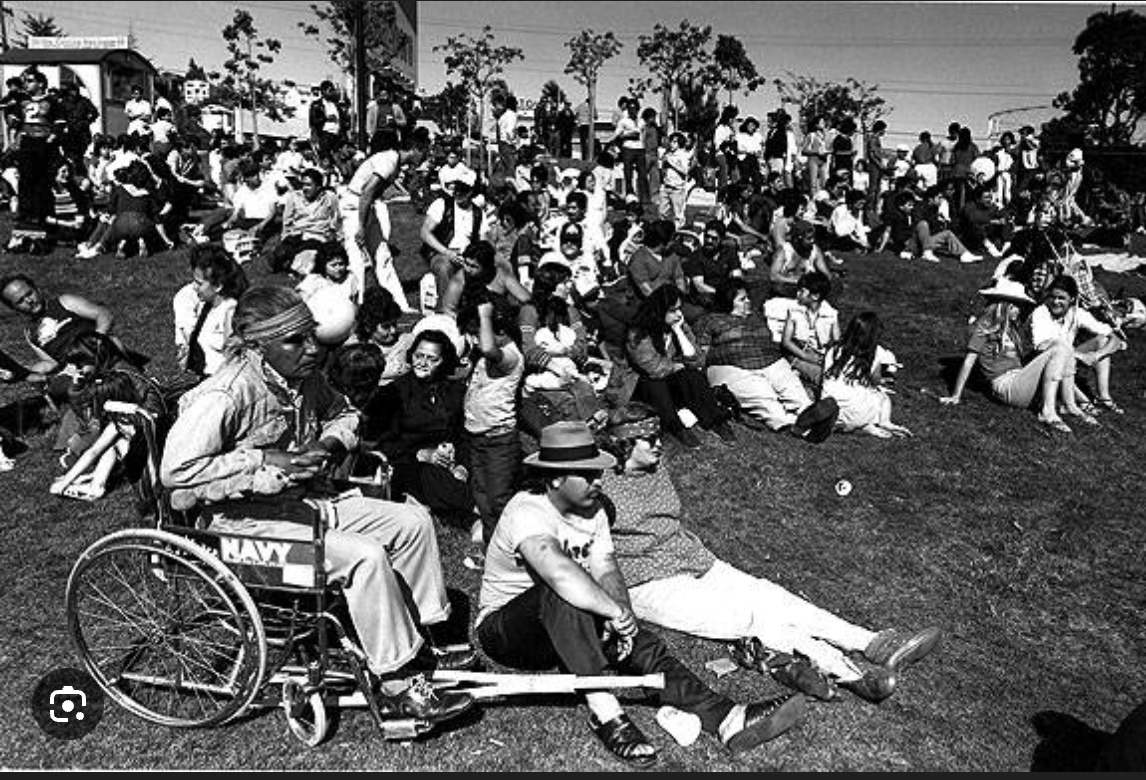
For nearly a decade, the residents of the International Hotel on Kearny Street, mostly elderly Filipino and Chinese men, survivors of a lifetime of labor and exclusion, fought to stay in their homes as developers and the city moved to demolish the building and erase what remained of Manilatown. Thousands of supporters, students, labor organizers, and community members rallied around them, forming human chains to block the eviction. On August 4, 1977, sheriff's deputies on horseback forced their way through the crowd and carried the last residents out into the street. The I-Hotel was torn down. But the fight for the I-Hotel became the defining story of what gentrification does to working people, and its memory continues to fuel the resistance against displacement to this day.
1970 La Raza Park
In 1970, the Mission District community took matters into their own hands. Frustrated by the city's neglect of their neighborhood and the lack of green space for their children, Latino residents occupied a vacant lot and transformed it into what they called La Raza Park, a space built by and for the community. It was an act of defiance and an act of love. The city eventually named it Dolores Park's neighbor, but to the Mission, it was always theirs first. La Raza Park stood as proof that working-class communities don't wait for permission to claim what they need to survive.
2006 The People of Hunters Point vs. Lennar
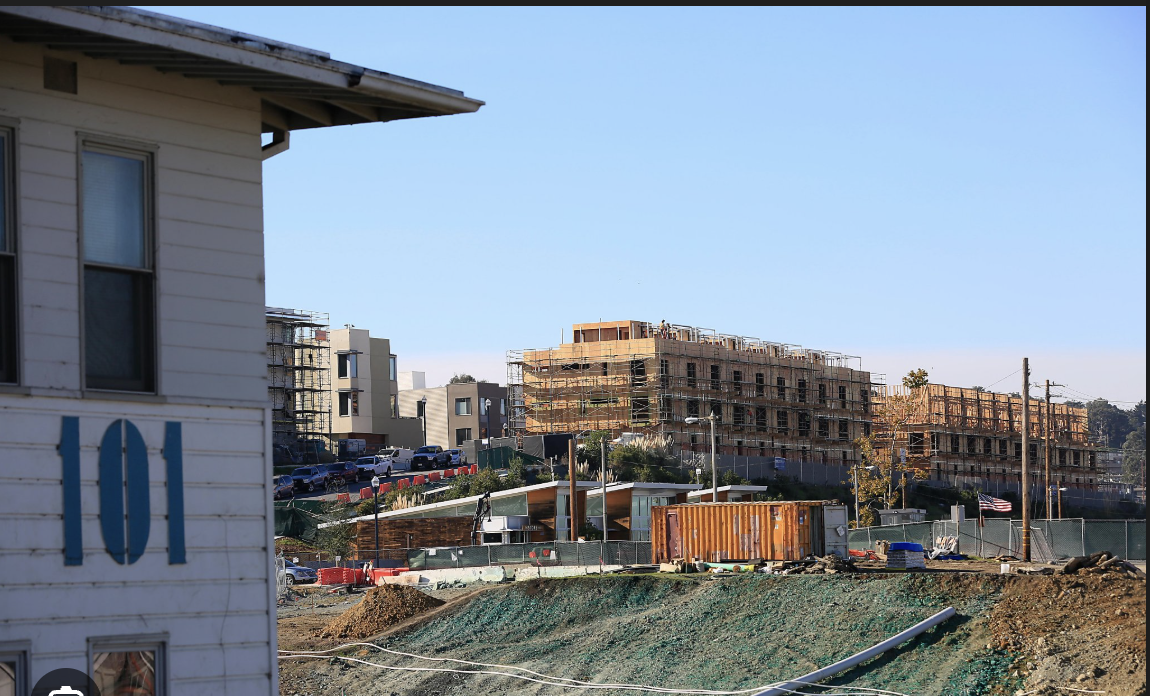
When the city handed over the redevelopment of the Hunters Point Shipyard to Lennar Corporation, the predominantly Black community of Bayview-Hunters Point found themselves living next to a construction site kicking up toxic dust laced with asbestos from the former naval shipyard. Residents reported health problems. Community members monitored the air. Lennar tried to silence them. But the people of Hunters Point, who had already endured decades of environmental racism, broken promises, and displacement, organized, protested, and demanded accountability. The fight against Lennar became a landmark battle in the struggle for environmental justice and the right of Black San Franciscans to live in their own neighborhood without being poisoned.
1989 ACT UP Golden Gate Bridge Shutdown
In January 1989, members of ACT UP San Francisco shut down the Golden Gate Bridge during the height of the AIDS crisis, stopping traffic and demanding that the government, the pharmaceutical industry, and the public wake up to the epidemic that was decimating the LGBTQ+ community. People were dying while politicians looked away and drug companies prioritized profit over lives. ACT UP answered with fury, creativity, and an absolute refusal to be ignored. The bridge shutdown remains one of the boldest acts of civil disobedience in San Francisco history , a city that had already lost thousands of its own to a plague met with silence.
2016 The Frisco 5
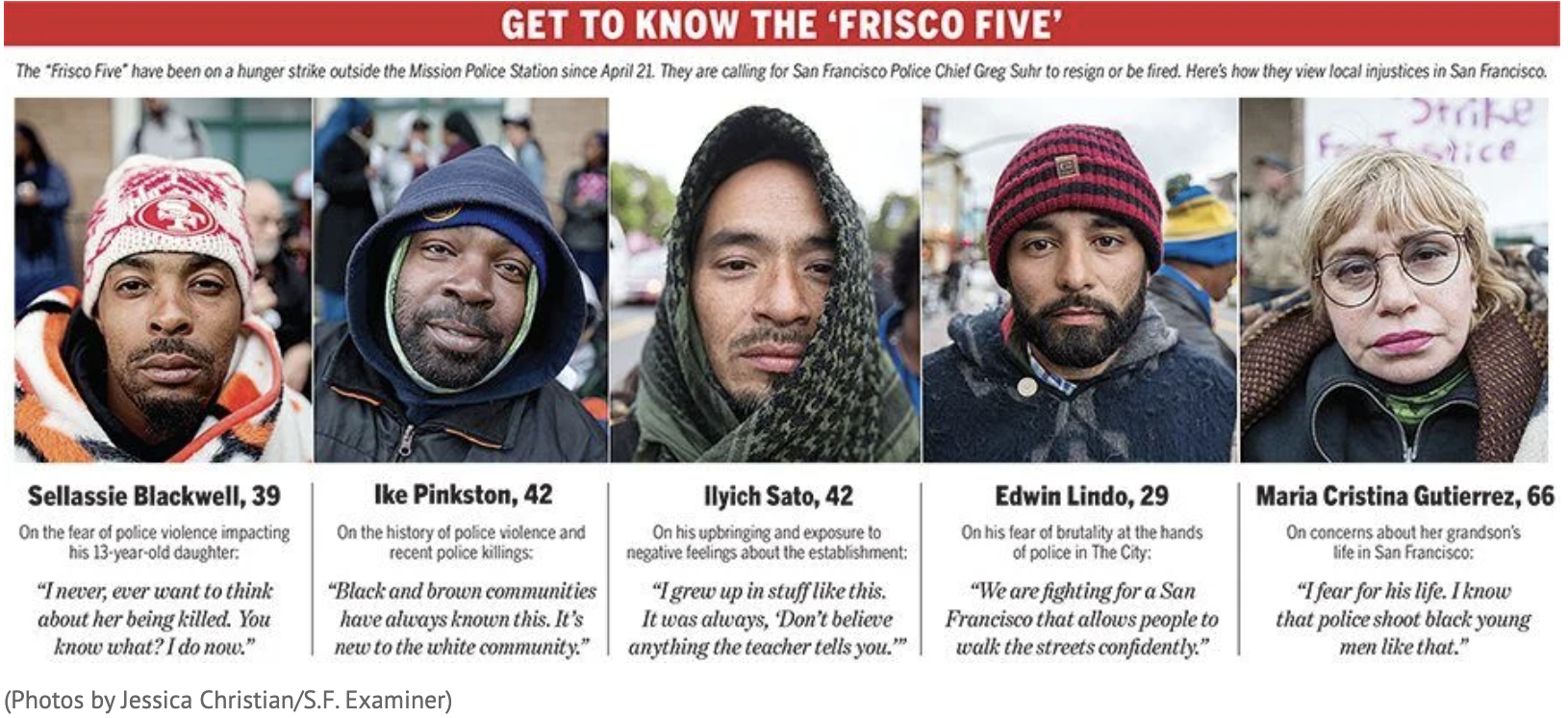
In April 2016, five San Francisco activists, Ike Pinkston, Ilyich Sato, Sellassie Blackwell, Maria Cristina Gutierrez, and Edwin Lindo, went on a hunger strike outside San Francisco Police Department headquarters, demanding the resignation of Police Chief Greg Suhr following a string of police killings of Black and Latino San Franciscans.
For seventeen days, they refused food, sustained by community, conviction, and an unwillingness to let the city move on as if nothing had happened. Their fast drew national attention and reignited the city's conversation about police violence, accountability, and whose lives San Francisco was truly willing to protect. The Frisco 5 hunger strike stands as one of the most powerful acts of nonviolent resistance in recent San Francisco history.
2016 Frisco 500 City Hall Take Over
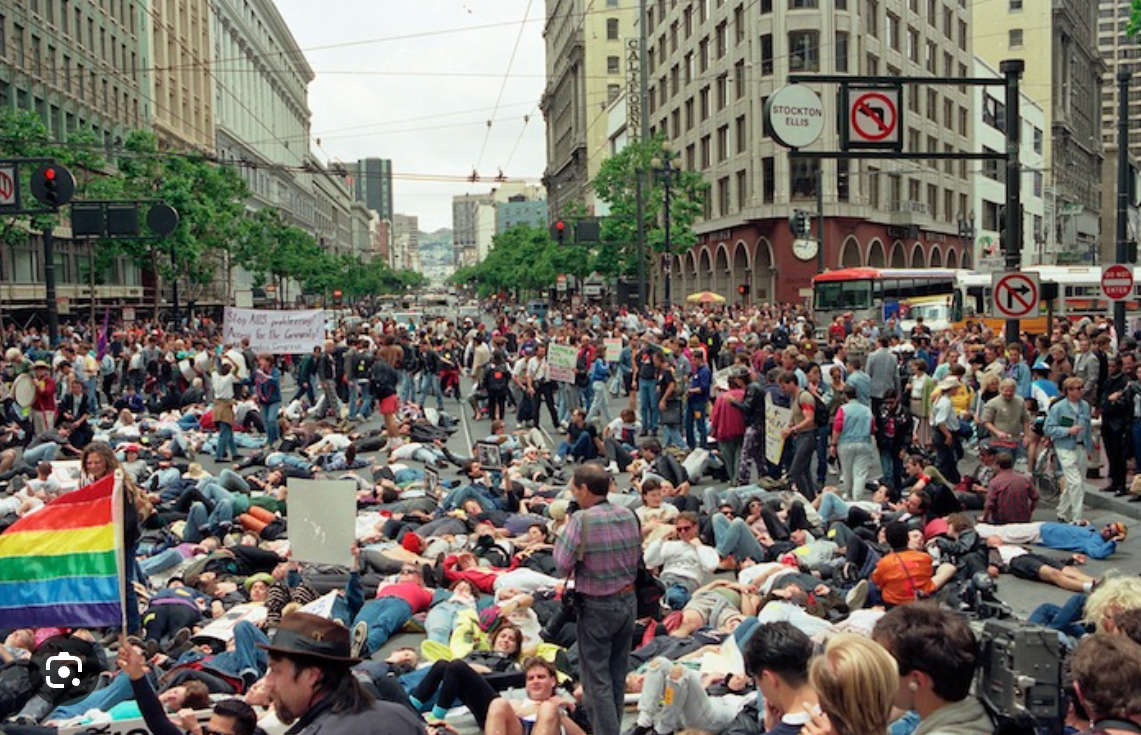
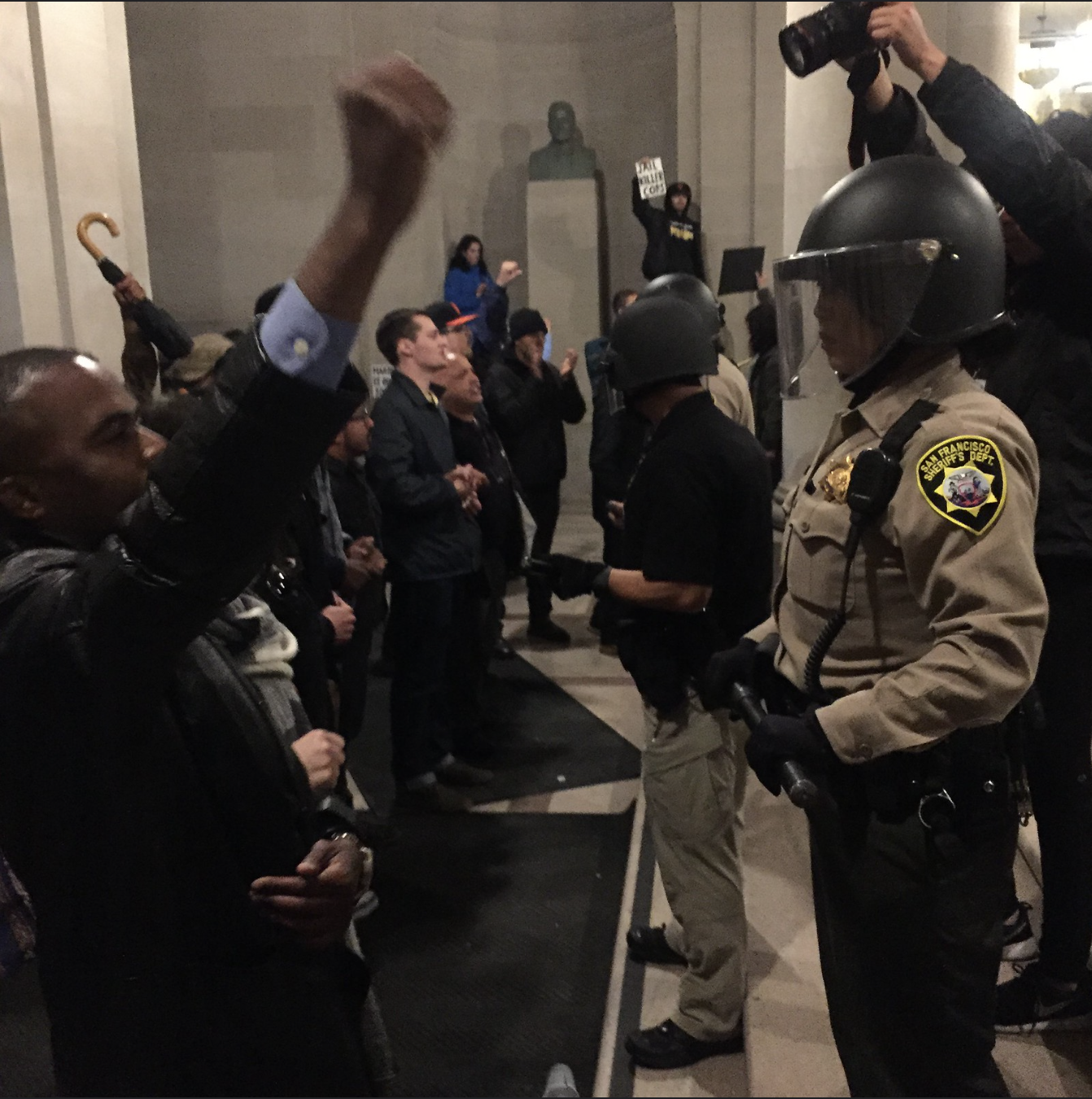
As the Frisco Five were hospitalized after two weeks without solid food, hundreds of their supporters, dubbed the #Frisco500, occupied the rotunda and grand staircase inside City Hall for seven hours on May 6, holding their ground past the building's 8 o'clock closing time, chanting that they would not leave until Mayor Lee fired Chief Suhr. Baton-wielding sheriff's deputies in full riot gear met the crowd at the doors; protesters pushed through, banged on the Mayor's office door, and were ultimately dragged out in a eight-hour struggle that left 33 people arrested, including juveniles, and journalists being shoved and manhandled.
The movement ultimately succeeded, Greg Suhr resigned and was replaced by Bill Scott, an African American officer from the Los Angeles Police Department, marking a turning point that also brought body cameras to SFPD officers and a new use-of-force policy emphasizing de-escalation.
2026 San Francisco Teacher and Student Strike
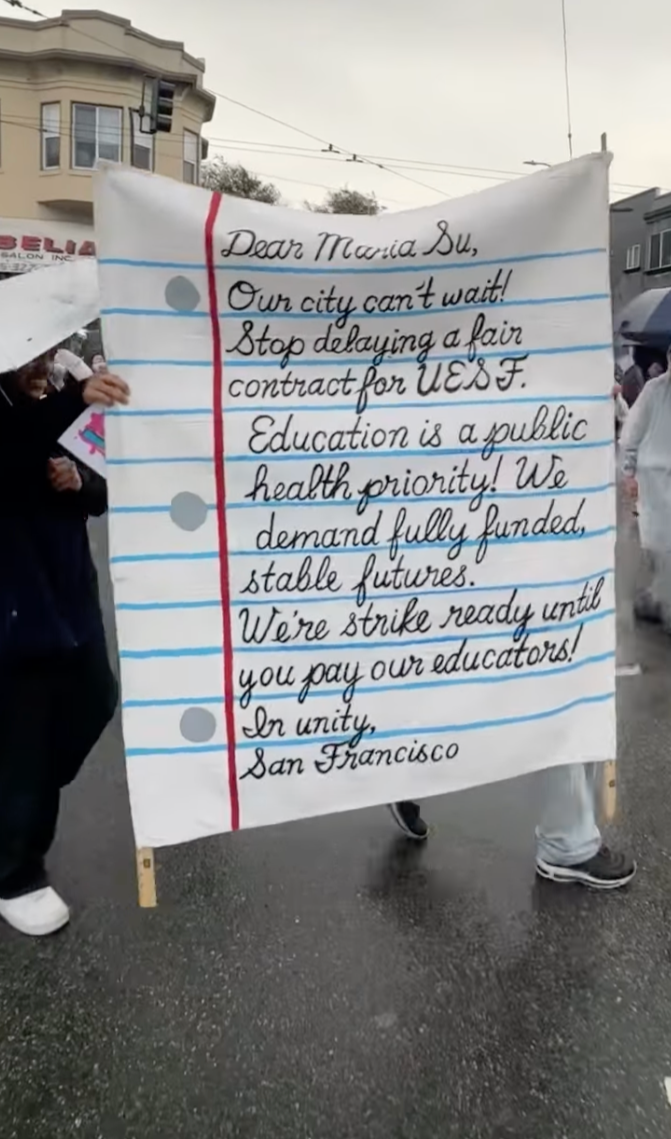
In February 2026, San Francisco witnessed its first teacher strike in nearly 50 years, as roughly 6,000 educators with the United Educators of San Francisco (UESF) walked out of classrooms across the district, closing schools and sending ripples through the Bay Area as families scrambled for childcare.
The union had spent 11 months negotiating over wages, healthcare, and workload concerns, with the central sticking point being fully employer-paid family health care benefits that had previously cost some teachers up to $1,500 a month out of pocket. The strike wasn't just a labor action, it was a community-wide movement.
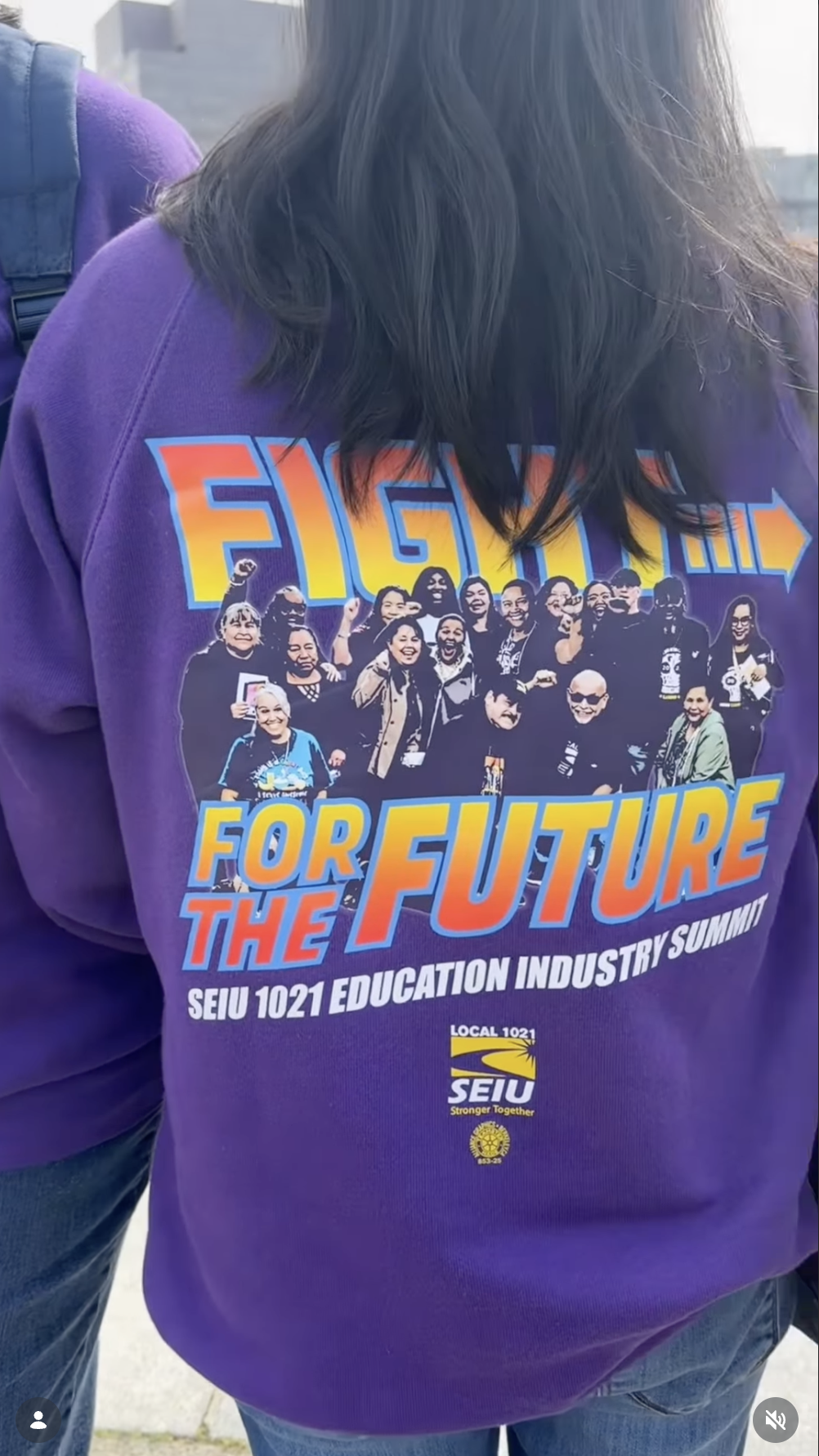
Student leaders like Alan Tello, a senior at June Jordan School for Equity, had been showing up to SFUSD Board of Education meetings long before the walkout, publicly arguing that the fight was an "educator strike" affecting the whole community and that smaller schools provide the kind of personalized, one-on-one attention students need to thrive. Tello and students like him gave voice to the human stakes behind the contract fight, standing alongside educators as advocates for a district that works for everyone.
After a grueling 13-hour bargaining session that concluded around 5:30 a.m., UESF and SFUSD reached a tentative agreement and the resulting two-year, $183 million contract was ratified by a resounding 92% vote of union members, securing fully funded family health care, wage increases for the district's lowest-paid workers, and meaningful revisions to special education workloads.
ERRRAY!!Soundtrack to the City
Every city has a soundtrack, but Frisco's hits different. It's Malo while cruising Mission Street with the windows down, Larry June slapping through the speakers on the way up to Twin Peaks, where the whole City is laid out in front of you like a gift. It's RBL Posse and Rappin' 4-Tay on a warm summer night posted up in front of Virgo's in the Moe, the kind of night where nobody wants to go home because the City is just too beautiful. It's Equipto, and Messy Marv riding with you out to Kelly's Cove where the waves crash and the fog rolls in and somehow it all makes sense. It’s vibing to Bored Stiff at GGP on the best day of your life or dancing to the Grateful Dead on Hippie Hill. The soundtrack of San Francisco isn't just music, it's memory, it's identity, it's the feeling of being exactly where you belong.
"I Left My Heart in San Francisco", Tony Bennett (1962)
"San Francisco (Be Sure to Wear Flowers in Your Hair)", Scott McKenzie (1967)
"(Sittin' On) The Dock of the Bay", Otis Redding (1968)
"White Rabbit" Jefferson Airplane(1967)
"Truckin'",Grateful Dead (1970)
"Lights",Journey(1978)
"We Built This City",Starship (1985)
"San Francisco Anthem", San Quinn, Big Rich & Boo Banga (2008)
"Heart & Soul", Equipto ft. Michael Marshall (2015)
"Frisco", Andre Nickatina
“What’s the Love for Then?”, A-1 and Baghead (2021)
“The Coast”, Baghead, ToBy, DJ SAY, Professa Gabel (2021)
“Dedicated to Those Who”Baghead (2020)
“50s in the City”, Larry June (2025)